Skip to content
The part of the process nobody writes down
What Nobody ExplainsThe part of the process nobody writes down

Unwritten Rules

The armrest, the middle seat and the rules of shared seating

Fixed seating forces strangers to allocate a small set of shared resources, and the conventions that result are consistent enough to be described.

By Zoya Rahman3 min read

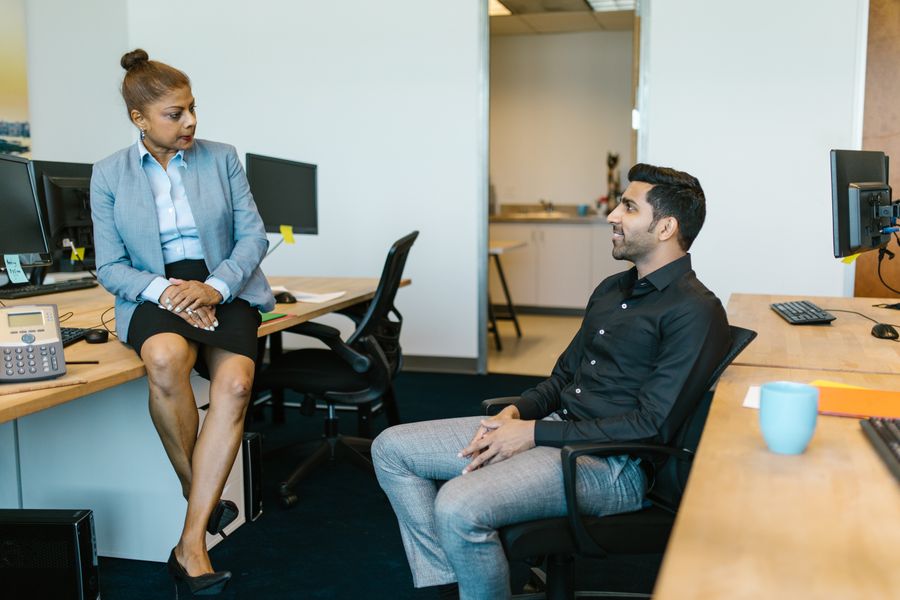
A professional discussion between colleagues in a modern office setting, fostering teamwork.
Photograph by RDNE Stock project via Pexels
Editorial note. Independent reporting and analysis. Nothing here is sponsored or paid for. How we work.

Seating is an allocation problem with no allocator

A row of fixed seats presents a handful of contested resources — armrests, legroom, the space under the seat, the position of a window blind — and no mechanism for assigning them. There is no discussion, no authority, and usually no eye contact. Yet the outcomes are remarkably consistent, which suggests the allocation is running on rules rather than on chance.

Most of those rules turn out to be compensation arrangements. Somebody who has drawn a worse position in one respect is conceded an advantage in another, and the concessions are made silently by people who would struggle to state the principle if asked.

The middle seat and the compensation principle

The best-known example is the convention that a person in a middle seat has a claim to both adjoining armrests. The reasoning is straightforward once stated: the aisle seat has open space on one side, the window seat has a wall to lean against and a view, and the middle position has neither. Two armrests are the compensation for the worst seat in the row.

It’s far from universally observed, and it is genuinely contested by people who consider the armrests unallocated and available to whoever claims them. What is not contested is that some compensation logic operates. Arguments about seating are rarely about whether the middle seat deserves something; they are about what, and how much.

Territory is claimed by occupation and released quickly

A shared surface is claimed by being used, and the claim is understood to be provisional. An elbow resting on an armrest holds it; an armrest left empty for a while becomes available; a person returning finds it occupied and generally does not contest it. Nobody announces any of this and the transitions happen smoothly almost all of the time.

The reliable irritant is asymmetry rather than sharing. A person occupying most of a shared surface for an entire journey creates a specific resentment that the same person alternating with their neighbour would not, even where the total time is similar. What people appear to object to is the absence of exchange, which is a theme that runs through most of the conventions governing shared space.

Passing, standing and the etiquette of the aisle seat

Sitting on the outside of a row carries a small standing obligation: letting people in and out without visible reluctance. The convention is that the request should be made economically — a gesture, a short word — and answered promptly, because the exchange is one both parties will repeat many times and neither wishes to elaborate.

How to pass is the part that varies most. There is no settled rule about facing towards or away from seated people while squeezing past, and the preferred solution differs by place and by how much room there is. It’s one of the more genuinely unresolved points of shared-seating conduct, which is why it produces so much low-level fumbling in a situation everybody has been in hundreds of times.

Empty rooms have their own spacing rule

In a sparsely occupied space, the operating convention is maximum distance. People take seats that leave the largest gaps, which is why a half-empty waiting room fills in a scattered pattern rather than from one end, and why sitting directly beside a lone stranger in an empty row is so noticeable.

The rule inverts as occupancy rises. Past a certain density, distance is no longer available and adjacency stops carrying any meaning, so people sit wherever there is space and nobody reads anything into it. The awkward zone is the middle band, where a choice still exists and each seat taken says something about a preference that the person taking it would rather not be expressing.

Requests, and why they work better than manoeuvring

Asking to swap seats, to lower a blind, or to move a bag is a request across a boundary and follows a recognisable shape: a reason, a specific ask, and an easy exit for the other person. The reason matters more than politeness does, because it converts a preference into a situation the other party can evaluate.

The alternative — adjusting things gradually and hoping the other person accommodates — is the source of most seating disputes. It is slower, it is more irritating, and it deprives the other person of the chance to agree, which most people would have done. That is worth noting generally: nearly every friction in shared space comes from somebody trying to resolve by manoeuvre what a short sentence would have settled immediately.

Common questions

Does the middle seat really get both armrests?

It is a widely recognised convention rather than a rule, and it is genuinely disputed. The compensation logic behind it — that the middle position lacks both the open side of the aisle and the wall of the window — is more widely accepted than the specific entitlement it produces.

Is it rude to sit directly next to a stranger in an empty room?

It reads as unusual because the operating convention in sparse seating is maximum distance, so a close choice appears deliberate. As occupancy rises the convention dissolves entirely, and adjacency stops carrying any meaning at all.

What is the best way to ask someone to move a bag?

A short reason, a specific request, and a way for the other person to comply without embarrassment. Most people agree immediately when asked, and the friction almost always comes from waiting and hoping rather than from the request itself.

Unwritten Rulesseatingconventionstransportsocial rules
Zoya Rahman
Consumer editor, What Nobody Explains

Zoya has written about behind the counter, paperwork, queues & waiting for most of the last decade and thinks most subjects are more interesting once you know how they work.