Skip to content
The part of the process nobody writes down
What Nobody ExplainsThe part of the process nobody writes down

Paperwork

Why the original is demanded when a copy was accepted last time

A copy proves the contents of a document, and an original proves something quite different, which is why the same organisation asks for each in turn.

By Tanmay Ghosh4 min read

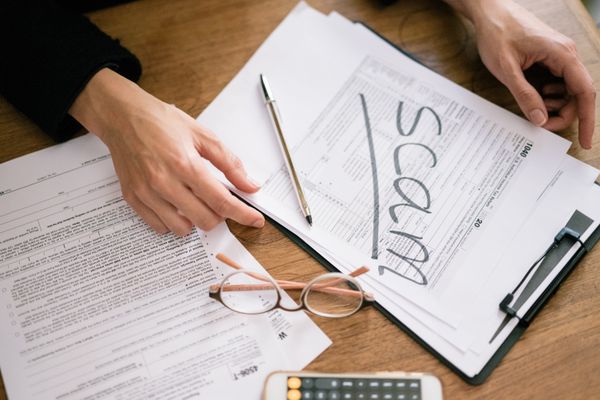
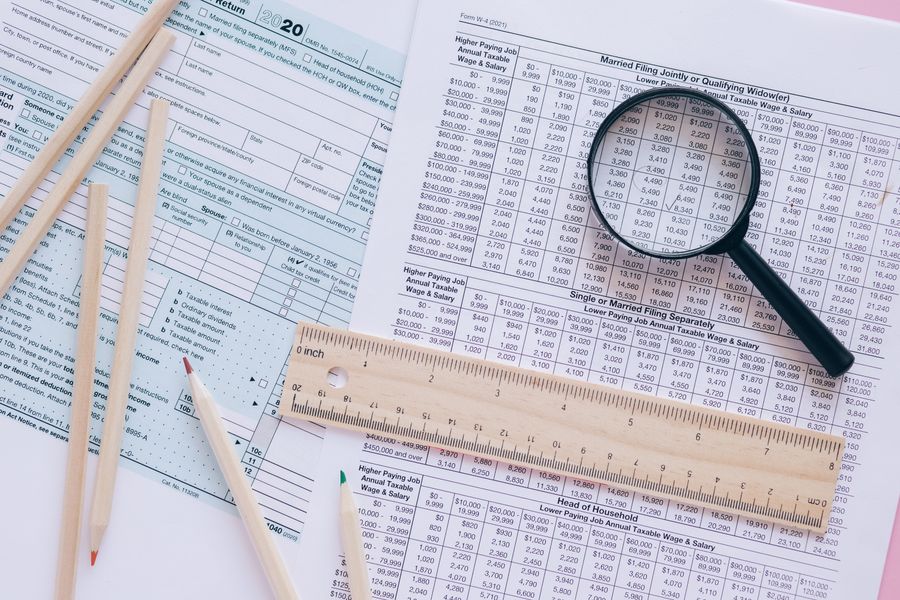
A high angle view showing IRS tax forms with pencils, ruler, and magnifying glass for financial planning.
Photograph by Leeloo The First via Pexels
Editorial note. Independent reporting and analysis. Nothing here is sponsored or paid for. How we work.

Two different jobs, one word

Being asked to produce an original after a copy has already been accepted feels like the process forgetting itself. It usually is not. The copy and the original are being used for two different purposes, and only one of them can be served by an image.

A copy establishes contents. It shows what the document says, which is enough for a check on eligibility, a name, a date or an amount. An original establishes something the contents cannot: that a physical object exists, that it has the security features it is supposed to have, and that it was in the hands of a person who could produce it on request.

What a person actually does with an original

When a document is checked in person, the examination is rarely about reading it. The reader is looking at paper weight and texture, at printing that should be raised or should shift with the angle of the light, at a photograph that should be integral rather than applied, at whether an edge has been disturbed. None of those properties survives a scan, and several of them do not survive a photograph taken deliberately well.

This is why the person doing the checking sometimes seems to be examining anything except the words. It is also why an original is sometimes required even when the organisation already holds a perfectly legible copy on file. The copy answers what the document says; the original answers whether it is what it claims to be, and those questions are asked at different points for different reasons.

Certification is a way of moving the check upstream

A certified copy exists to resolve the tension between the two. Somebody in an accepted category sees the original, compares it against the copy, and signs a statement that they match. What travels afterwards is the copy plus the signature, and the signature carries the fact that a physical inspection happened.

That is why certification requirements look so fussy about apparently irrelevant details: who signed, what they wrote, whether they dated it, whether they stated they had seen the original. The wording is the entire content of the certification. A copy signed by the right person with the wrong form of words has recorded nothing checkable, which is a frustrating thing to discover after posting it.

Why the requirement changes between departments

The same organisation frequently asks for a copy at one stage and an original at another, and the reason is that different stages carry different consequences. An enquiry, a preliminary assessment or an application being registered can proceed on contents alone. The step where something is issued, paid, transferred or made effective typically cannot.

The pattern is consistent enough to predict. Where nothing irreversible follows, copies are accepted; where the next action is difficult to undo, the standard rises. Being asked for an original is therefore usually a sign that the process has moved into its final stage rather than a sign that anyone doubts you, though it very rarely feels that way from the counter.

Retention is the reason they keep it, or do not

What happens to a document afterwards follows a separate logic. Some organisations must retain evidence of what they saw, so they take a copy, mark it as verified against the original, and return the original immediately. Others must retain the original itself because it forms part of a record they are obliged to keep.

It is worth asking which applies before handing anything over, particularly for documents that are slow or expensive to replace. The answer determines whether you should be posting it, presenting it in person, or arranging certification instead, and these are decisions much easier to make at the beginning than after an envelope has gone.

Reducing the number of times you are asked

A few habits cut this down considerably. Ask at the outset which documents will eventually be needed in original form, since organisations generally know and generally will tell you if the question is asked plainly. Where certification is permitted, get it done once and keep several sets, because the marginal cost of extra copies at the same appointment is small.

And keep a note of what was seen, by whom and on what date, with the reference it was attached to. When a later stage asks for the original again, that note occasionally converts a second trip into a two-minute lookup — not always, but often enough to justify the thirty seconds it takes to write down.

None of this makes the requirement disappear, and it is worth being honest that some of it is duplication nobody has ever sat down to remove. Departments inherit their own checking rules, and a rule requiring sight of an original is far easier to add than to retire, because retiring it means someone signing their name to the judgement that the check was unnecessary. The result is a process that verifies the same document more times than it strictly needs to, for reasons that are institutional rather than suspicious.

Common questions

Why photograph my document if a copy was not enough?

The photograph records what was seen, while the act of seeing the physical item is the check itself. The image is evidence that the verification happened and of what was verified; it is not a substitute for the inspection that produced it.

Who is allowed to certify a copy?

The accepted categories vary considerably by country and by organisation, and the safest approach is to ask the receiving body for its own list rather than assume. What is consistent is that the wording and the date matter as much as the identity of the signatory.

Should I post an original document?

Only when there is no alternative and the organisation has confirmed it will be returned. Where a choice exists, presenting it in person or providing a certified copy avoids putting a hard-to-replace item into a postal chain where nobody can tell you exactly where it currently is.

Paperworkdocumentsverificationrecordsprocess
Tanmay Ghosh
Editor, What Nobody Explains

Tanmay has written about behind the counter, paperwork, queues & waiting for most of the last decade and is happiest when a piece answers the question completely.